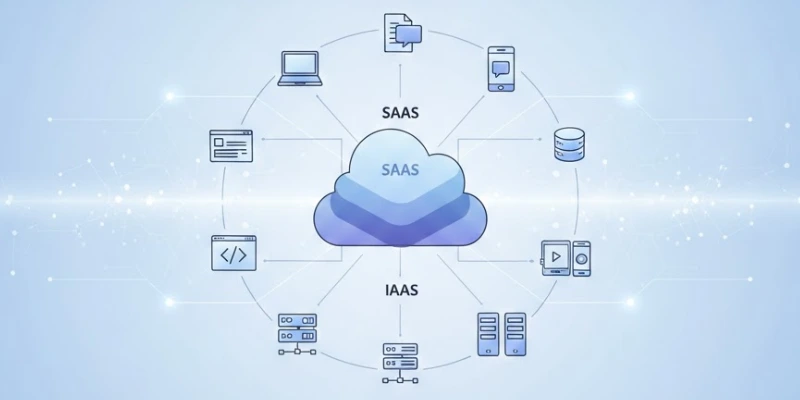
Cloud technology can feel confusing at first, especially when terms like IaaS, PaaS, and SaaS are used casually in interviews and job descriptions. For learners trying to move into IT or switch to cloud-based roles, understanding these models clearly is a real career advantage. This is often where Cloud Computing Courses in Trichy comes into the picture, helping beginners connect basic definitions with how companies actually use cloud services in daily operations and decision-making.
Why Cloud Service Models Matter in Careers
Cloud service models define who controls what in a technology setup. In real jobs, this affects responsibility, cost planning, and problem-solving. Employers expect candidates to know whether they manage servers, platforms, or just applications. When you understand these differences, interview questions feel more logical instead of tricky. It also helps you choose roles wisely, whether you prefer infrastructure-heavy work or application-focused responsibilities in modern cloud teams.
Understanding Infrastructure-Level Control
Infrastructure-based cloud services focus on giving users control over virtual machines, storage, and networks. In real-world projects, professionals use this model when they need flexibility to configure systems exactly to business needs. This approach is common in companies migrating from traditional data centers. Knowing this model helps candidates explain how operating systems, security patches, and scaling decisions are handled in cloud environments.
Platform-Focused Development Environments
Platform-based services remove the headache of managing servers and focus purely on building and running applications. Developers working in this model spend more time writing code and less time worrying about system maintenance. Many learners strengthening their cloud fundamentals through AWS Training in Trichy understand how this model speeds up development cycles. Interviewers often test whether candidates know when platform services are more efficient than managing raw infrastructure.
Software Access Without Maintenance
Software-based cloud services are the most familiar to everyday users. These tools are accessed through browsers or apps without worrying about installation or updates. In organizations, teams rely on these services for communication, data storage, and collaboration. From a career angle, understanding this model helps candidates explain how businesses reduce IT overhead while improving productivity through ready-to-use cloud applications.
Comparing Responsibility Across Models
One key interview topic is shared responsibility. Each cloud model shifts responsibility between the provider and the user. Infrastructure services demand more technical control, while software services require almost none. Professionals who can clearly explain this comparison stand out in discussions. Learners exploring regional opportunities often see how AWS Training in Salem aligns with job roles that demand clarity on ownership, security, and compliance across cloud models.
Real-World Business Use Cases
Different industries choose different cloud models based on needs. Startups often prefer platform services for speed, while enterprises may rely on infrastructure services for customization. Software services dominate daily business operations like email and CRM tools. Understanding these patterns helps candidates answer scenario-based questions, where interviewers ask which model suits a specific business problem and why.
Choosing the Right Model for Your Role
Career growth becomes smoother when you know which cloud model fits your interests. System administrators often lean toward infrastructure roles, developers toward platforms, and business users toward software services. This clarity helps learners plan skills logically instead of randomly learning tools. It also makes resumes stronger because experience aligns clearly with industry expectations and real job requirements.
Cloud service models are not just theory; they shape how modern technology teams work every day. A clear understanding of IaaS, PaaS, and SaaS helps learners speak confidently in interviews and adapt to changing job roles. Building this clarity early supports long-term growth, especially for those preparing through Cloud Computing Courses in Erode, where future-ready cloud thinking becomes a strong career foundation.
Also Check: Importance Of Cloud Computing